
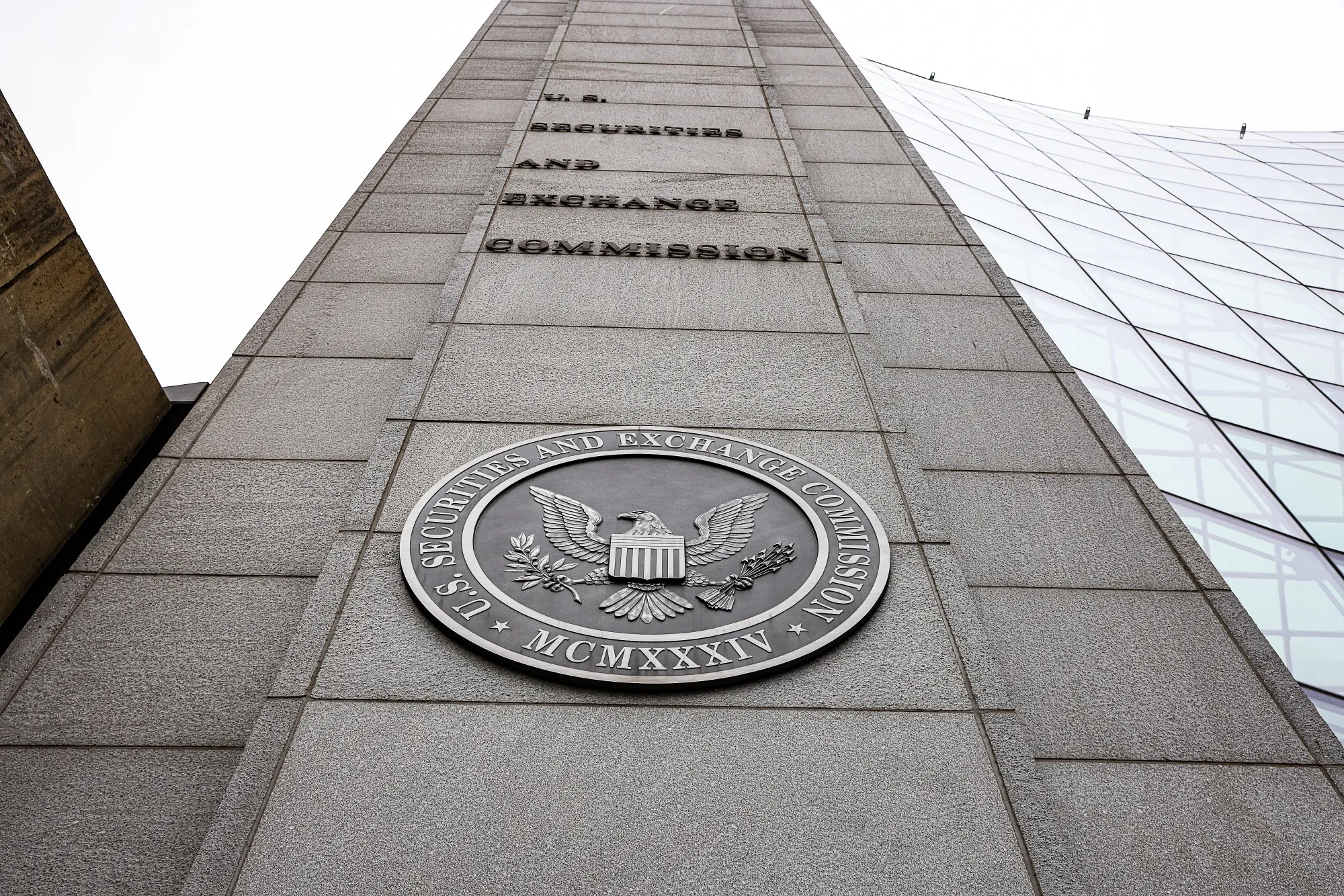
The U.S. Securities and Exchange Commission has secured a final consent judgment against Las Vegas-based financial education firm Quest Education L.L.C., its founder Daniel Blue, and former employees David Christopher White and Keitoh Jordan Spears, concluding an enforcement action alleging the firm illegally operated as an unregistered securities broker while earning millions of dollars in commissions from private investment offerings.
The judgment, entered by the U.S. District Court for the District of Nevada on June 29, follows an SEC lawsuit filed in January 2025 that accused the defendants of soliciting investors into unregistered securities offerings despite lacking the required broker registration.
According to the SEC, Quest portrayed itself as a financial education company focused on helping clients establish self-directed retirement accounts. However, regulators allege the firm’s primary source of revenue came from commissions paid by issuers whose private investments were promoted to Quest’s customers.
SEC Allegations
| Key allegation | Details |
|---|---|
| Period covered | October 2019 to April 2023 |
| Issuers promoted | At least eight companies |
| Commissions received | Approximately $2.5 million |
| Securities offered | Unregistered private offerings |
| Registration status | Defendants allegedly were not registered brokers |
The SEC alleged that Quest actively encouraged clients to invest in private securities offerings and received approximately $2.5 million in commissions from issuers in return for those investments.
Rather than acting solely as an educational business, regulators alleged Quest effectively operated as a securities salesperson without registering as a broker-dealer or associating with a registered brokerage.
How The Scheme Allegedly Worked
According to the complaint, Quest helped customers establish self-directed retirement accounts that could invest in alternative assets.
The SEC alleges the company then directed many of those investors toward private securities offerings sponsored by third-party issuers.
Daniel Blue allegedly worked closely with the companies raising capital to better understand their businesses and funding requirements, allowing Quest to market those investment opportunities more effectively to its customers.
The complaint also alleged that former employees David Christopher White and Keitoh Jordan Spears promoted several of the offerings while each earning more than $200,000 in commissions.
Education: Why Broker Registration Matters
Under U.S. securities laws, individuals or firms that receive compensation for soliciting or facilitating securities transactions generally must register as brokers unless a specific exemption applies.
Registration subjects firms to regulatory oversight, compliance requirements and investor protection rules.
| Registered Broker | Unregistered Solicitation |
|---|---|
| Subject to SEC oversight | No broker supervision |
| Compliance obligations | Limited investor protections |
| Licensing requirements | No broker registration |
| Regulatory examinations | Outside normal broker framework |
The SEC has repeatedly warned that receiving transaction-based compensation is one of the strongest indicators that broker registration may be required.
What The Court Ordered
Without admitting or denying the SEC’s allegations, all defendants consented to the entry of final judgments.
The court permanently enjoined Quest Education, Daniel Blue, David Christopher White and Keitoh Jordan Spears from violating:
- Section 5 of the Securities Act of 1933
- Section 15(a)(1) of the Securities Exchange Act of 1934
The judgment also imposes additional restrictions on Blue, permanently prohibiting him, directly or indirectly, including through any entity he owns or controls, from participating in the issuance, purchase, offer or sale of any security.
Blue and Spears were also ordered to each pay a civil penalty of $11,823.
Industry Context
The SEC has continued to pursue firms and individuals that market private investments without the required regulatory registrations.
Cases involving unregistered brokers have become an increasingly important area of enforcement as private markets continue to expand and more investors gain access to alternative investments through self-directed retirement accounts and online investment platforms.
Regulators have repeatedly stressed that businesses describing themselves as educational or consulting firms may still be required to register if they are compensated for introducing investors to securities offerings.
Why This Matters
The case serves as another reminder that how a company describes itself does not determine whether securities laws apply.
According to the SEC, Quest marketed itself as a financial education business while allegedly generating millions of dollars through commissions tied to private securities sales.
The final judgment reinforces the regulator’s position that firms receiving transaction-based compensation for promoting investments must comply with federal broker registration requirements, regardless of whether those activities are presented as educational services.
